I used to believe these myths, thinking I had to spend a fortune just to read my phone without squinting. I was wrong. Those misconceptions led me to spend nearly $200 more than necessary.
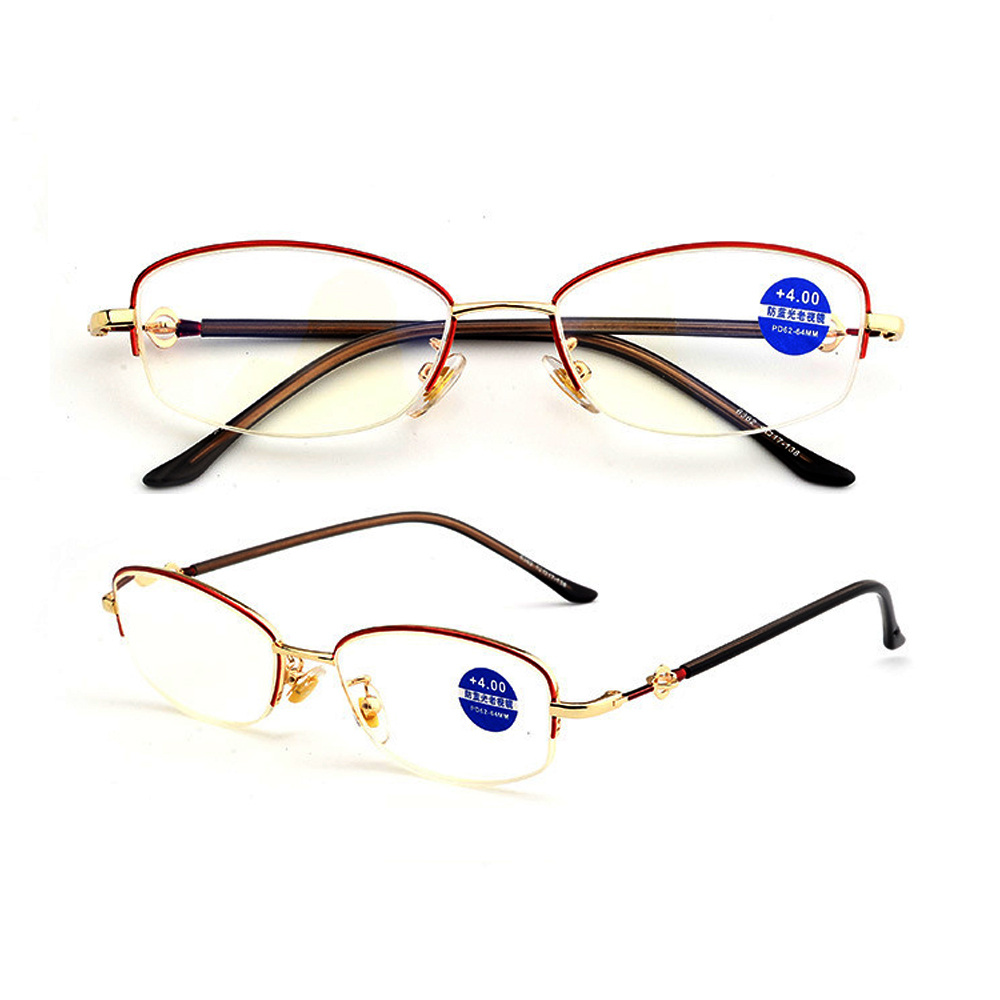
I'm referring to specific products, like the Retro Ladies Oval Titanium Alloy Frame Anti Blue Light Ultralight Reading Glasses. When you see something like that online, it might seem too good to be true. But it isn't.
Here's the truth about where to buy reading glasses and how you can save money:
This is the oldest lie promoted by major optical retailers. They want you to believe that if you don't spend $150 on basic readers, the lenses will be poor quality and the frames will break immediately.
Here's the reality: Technology has advanced rapidly. Good lenses are no longer expensive to produce. What you're paying for at the doctor's office is a significant markup, not superior glass quality.
Consider what actual customers say. One reviewer noted: "The affordability allows me to own several pairs of prescription eyewear!"
That's the real advantage. You can afford multiple pairs—one for the car, one by the bed, and one at your desk. You won't need to carry a single fragile, expensive pair everywhere you go.
This myth holds some truth for complex progressive lenses, but for simple readers, sizing is straightforward. Optical shops often imply that only they can ensure a perfect fit.
What they don't tell you is that eyeglass companies use standardized measurements (like 50-18-140). These numbers indicate the lens width, bridge width (across your nose), and temple length (the arms).
Ignoring these measurements can result in frames that pinch your head or slide down your nose. That's a comfort issue, not a quality one.
Before shopping for reading glasses, follow this simple process: