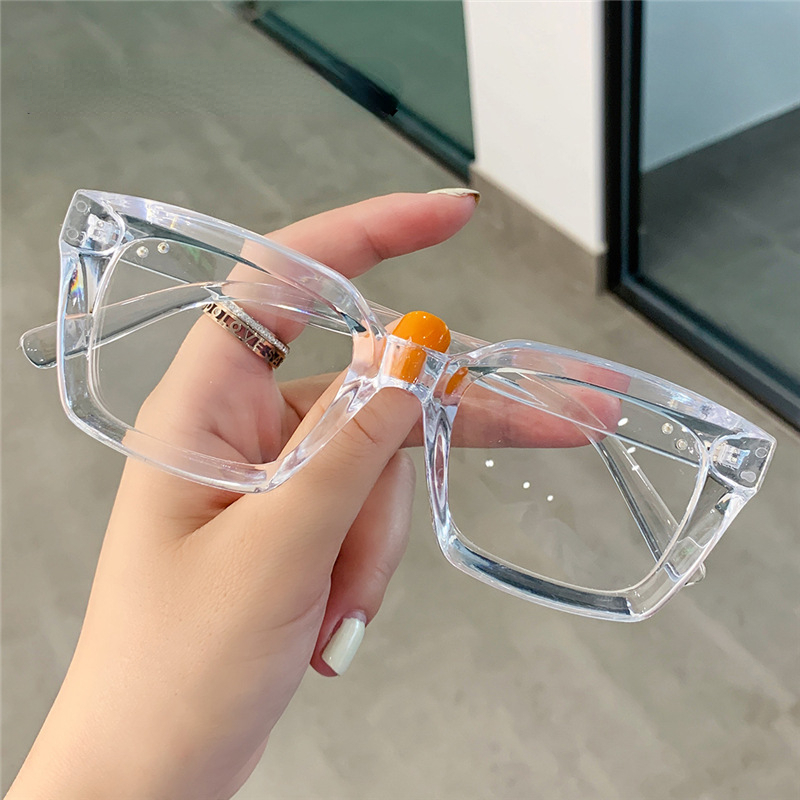
I once believed these common myths about non-prescription reading glasses. I assumed that if they were inexpensive and had the correct strength (+1.50, +2.00, etc.), they would work perfectly. I was mistaken.
In reality, purchasing readers for computer use or everyday tasks is far more complicated than major online retailers would have you believe. They often obscure details about quality and fit, leading you to think cheap glasses perform just as well as pricier models. Let me share the truth about buying the Mozaer 2023 Oversized Square Anti Blue Light readers.
Here is what they typically leave out:
The Myth: If the lens power is correct, the glasses will work for anyone.
The Reality: Even without a formal prescription, every pair of glasses has an optical sweet spot. This is where the center of the lens aligns perfectly with the center of your pupils, a measurement known as Pupillary Distance (PD).
Some companies skip this step entirely or default to a standard adult PD, like 62mm. If your eyes are wider or narrower than this estimate, your vision may become blurry or cause headaches. The power could be right, but the lens placement is wrong.
One recent buyer learned this lesson the hard way. They purchased glasses for their 12-year-old child, who struggled to see clearly. An eye doctor confirmed the PD was incorrect because the website had simply "assumed a value."
The buyer explained: "The Glassesusa site does not prompt you to provide your PD number. If you don't know to provide it, they will just assume a value of 62 (adult) or another default for kids. Naturally, this means the value will be wrong for many customers."
When the PD is incorrect, the lens center bends light improperly, forcing your eyes to work harder and leading to strain. Reputable brands selling non-prescription readers should offer a tool or clear instructions for measuring your own PD.
Final Takeaway: Always verify your PD measurement. If a website doesn't request it or allow you to input it, look elsewhere. Your visual comfort depends on it.
The Myth: If the glasses don't work, you can just send them back for a fast refund or exchange.
The Reality: Dealing with incorrect readers can be a slow and frustrating ordeal, particularly with large discount retailers. When a problem occurs—like the PD issue mentioned earlier—you need to speak with an actual person, not a chatbot.