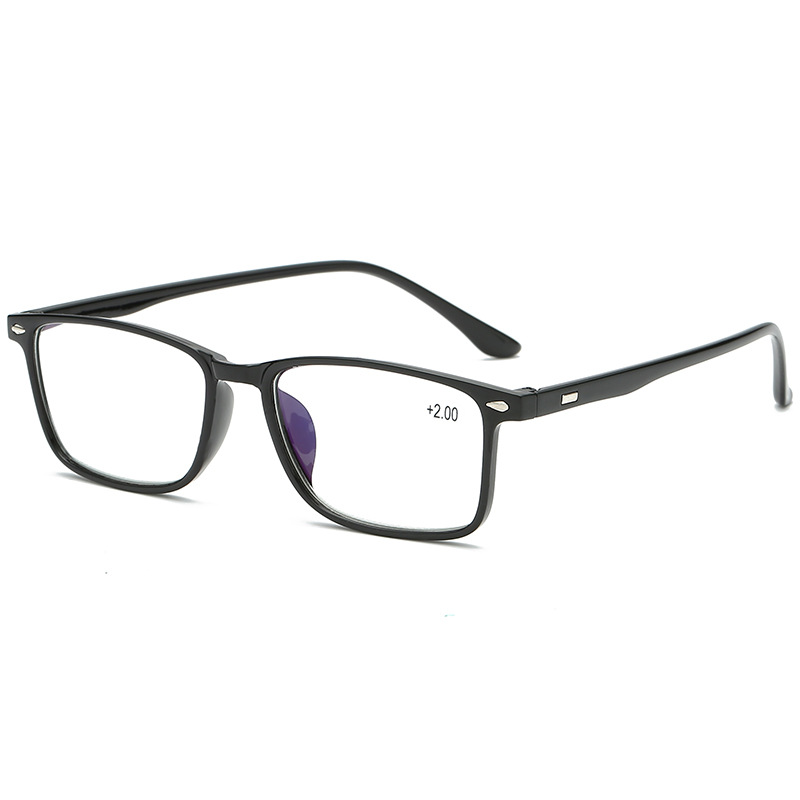
I needed reading glasses. Staring at my computer screen was making my vision noticeably worse. Like many, I started with a budget option, assuming all online reading glasses were essentially the same. I learned the hard way that saving $20 upfront can lead to significant wasted time and frustration.
My transition from flimsy plastic frames to genuinely ultralight, anti-blue light computer glasses was truly enlightening. Here’s how I finally discovered a pair that actually works.
My first pair cost $20 from a major online marketplace. They looked decent in the photos but fell apart after just three weeks.
The product description touted "anti-blue light" protection and sturdy frames. The reality was starkly different.
I realized I was purchasing disposable items, not reliable tools. You can find reading glasses online for very little money, but they aren't built to last.
Verdict: Avoid glasses in this price range for daily use. It’s a complete waste of money.
After the $20 failure, I sought better value and upgraded to a $40 pair from a well-known discount optical site. Superficially, the quality was better—the frames were thicker and the lenses clearer.
They were... acceptable, until I wore them for about an hour. Then the headaches started. Why?
When ordering glasses online, knowing your Pupillary Distance (PD) is crucial. PD is the measurement between the centers of your pupils. This number tells the manufacturer exactly where to position the optical center of each lens. An incorrect PD means the lens centers won't align with your eyes, forcing them to work harder and leading to strain and pain.
The discount site simply assumed my PD was 62mm—a common average for adults—which was wrong for me.
The Customer Service Nightmare:
Trying to correct the mistake was nearly impossible. This is where I learned the true cost of cheap customer service. The site was designed for high-volume, low-cost sales, not support. The process was incredibly frustrating.